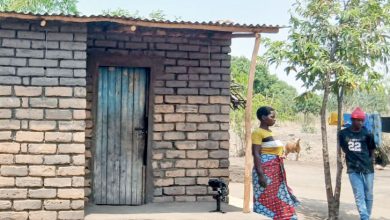
President Peter Mutharika has ranked climate change among the top threats to Malawi’s fragile economy as disasters fuelled by global warming become more frequent and devastating, killing 36 people nationwide this rainy season.
He amplified calls for bold climate action on Friday during the swearing-in of four deputy ministers, including Ministry of Natural Resources’ Chipiliro Mpinganjira.
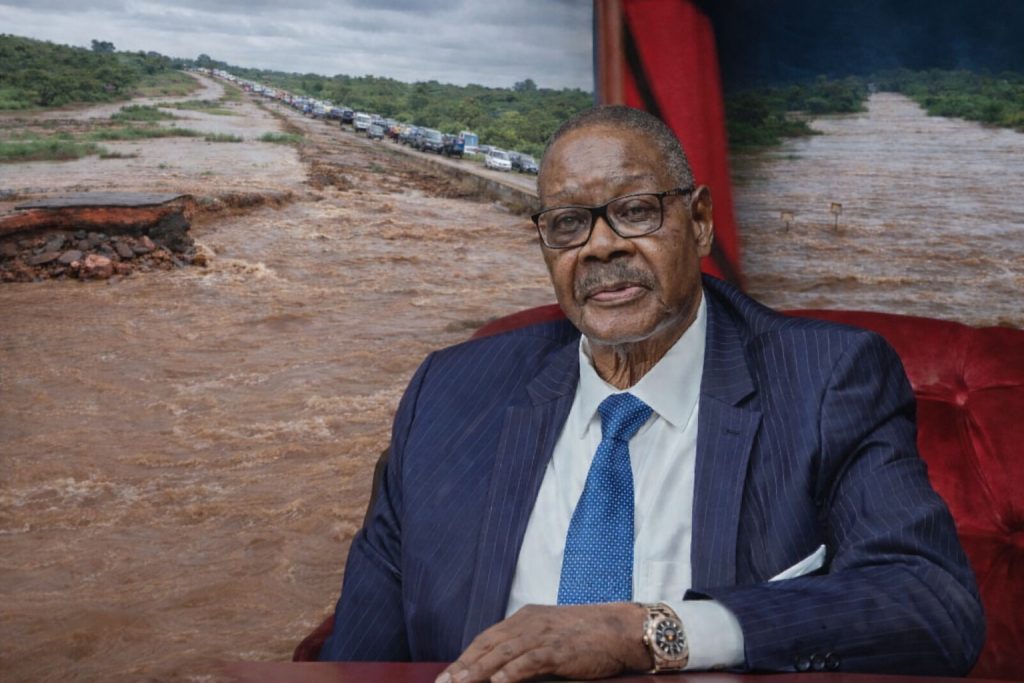
Mutharika told the new additions to Cabinet that their appointment is not an appeasement, but “to bring more capacity as we confront new challenges”.
He stated: “Our country is suffering the severe impact of climate change. Of late, we have seen devastating floods that have claimed lives and caused huge damage to infrastructure.
“This is a clear threat to the social economic progress of our country. I urge you to find workable solutions to these challenges as we gain traction with economic recovery.”
This is the first time the comeback President has explicitly proclaimed how climate-related risks strain the ailing economy just as corruption robs citizens and stalls development.
The clarion call came almost 100 days after his second coming.
The milestone coincides with climate shocks that have so far claimed 36 lives and damaged public facilities, including schools and major roads nationwide.
Studies show climate-related loss and damage wipes out about 1.7 percent of Malawi’s gross domestic product (GDP).
With the absolute value of the country’s GDP standing at around $13 billion, the loss translates to $221 million (roughly K387 billion) every year. The amount— nearly five percent of the current K8 trillion national budget—is almost exactly what has been allocated for social benefits in the 2025/26 fiscal year.
However, the Malawi Country Climate and Development Report by the World Bank projects that by 2040, the ripple effect could reach 20 percent of GDP—just 10 percentage points below what is agriculture sector’s 30 percent contribution to the Malawi economy.
This amplifies demands for urgent and sustained action to cut the frequency and severity of climate shocks in least developed countries, including Malawi.
Interestingly, Mutharika knows the pinch of the “clear threat” US president Donald Trump trivialised as a hoax.
“Climate change has become the most catastrophic tragedy of our time,” said Mutharika at the 2019 global climate talks in Madrid, Spain.
In his words, humanity is at war with nature and the effects of climate change are being felt everywhere.
“Everywhere, climate change is taking innocent lives, frustrating national economies and inflicting untold suffering on many people of the world,” he said eight months after Cyclone Idai killed 60 people and displaced nearly one million Malawians in 2019.
Four years earlier, El Nino weather pattern across southern Africa triggered drought and massive flooding that claimed 278 lives, leaving millions in worse hunger and poverty.
The battering did not stop with Mutharika’s downfall in the 2020 presidential poll.
While he temporarily retired to his lakeside residence in Mangochi, persistent cyclones—Ana and Gombe in 2022 and Freddy in 2023—ripped Malawi’s southern districts. Drought kicked in too.
The country is still struggling to recover from the devastating half of what the UN’s World Meteorological Organisation bills the hottest decade on record.
Post-disaster needs assessments by government and partners value the cumulative loss and damage since 2015 at about $1.5 billion (about K2.7 trillion), roughly a third of the current national budget. This excludes the hidden cost of drought and other climate crises.
The lingering rubble from severe rainfall illustrates how fragile economies bear the hardest impact of the catastrophe worsened by climate change.
Six years ago, Mutharika told the global audience in Madrid that Malawi would have made more economic progress without the setbacks of climate change.
“This is the double tragedy of the developing world. The weaker the economy, the more fragile the existence of our people and the more we suffer the shocks of climate change,” he said.
Shortly after touching down from the 25th Conference of Parties to the United Nations Climate Change treaty on December 4 2019, he told journalists in Lilongwe: “In 100 years, this world will not be the way we know it today. The weather is getting warmer and warmer to the extent that it will not be able to support human life.”
That was six months before the then opposition leader Lazarus Chakwera defeated him in the June 2020 court-ordered vote.
Over half a decade on, Malawi is no longer the same with trails of destruction left by repeated climate-related disasters.
The ruins include roads, bridges, homes, farmlands and schools that Malawians want his government to fix sooner than later.
The Democratic Progressive Party (DPP) leader bounced back to power after winning 57 percent of the September 16 2025 vote, according to the Malawi Electoral Commission.
“The mighty DPP is back…I promised that we would be back and today, we are back with a new vision, a new DPP agenda,” he roared at his swearing-in, punching the air as did Trump last year.
However, his voice has been muted and action blurry when it comes to the national ambition for climate action.
Mutharika made no mention of the climate crisis in his inaugural speech last October, a policy statement expected to set the tone for the new vision “to do things differently”. Instead, he lamented the food and economic crises that partly bedevilled Chakwera’s reign.
The President stated: “Wisdom tells us that in order to solve a problem, you must know the problem. We must begin by accepting our situation as it is.
“Our plight is that we have inherited a country in a crisis…there is no food in the country and the cost of living is high. Malawians cannot afford it.”
He urgently declared a State of Disaster in 11 districts before extending it nationwide.
At least 4.2 million Malawians require food aid until the next harvest in April, reports the Malawi Vulnerability Assessment Committee.
“The situation calls for urgent humanitarian support to save people’s lives. This extension of the State of Disaster to all 28 districts should move people’s hearts to come in with support as soon as possible,” said Department of Disaster Management Affairs (Dodma) commissioner Wilson Moleni.
Alice Banda, from Traditional Authority Dzoole in Dowa District, wants policymakers and partners to invest more in expanding irrigation, environmental conservation and restoration of degraded landscapes than in humanitarian aid.
“Over the years, we have experienced prolonged dry spells and flooding that have worsened food insecurity and poverty,” sh says.
Climate campaigner Julius Ng’oma says local experiences like Banda’s must guide government planning and investment “if Malawi is to build meaningful climate and disaster resilience”.
President Mutharika’s second term got underway with the bundling of the Ministry of Natural Resources and Climate Change with those once responsible for Energy and Mining.
Three months on, he has restored the standalone ministry under Alfred Gangata, formerly Minister of State, who has been stripped of a scandalous contract to supply security services to the Malawi Revenue Authority (MRA).
For environmentalists and climate campaigners, the reversal could be a signal of renewed political zeal to amplify climate action as a priority.
Yet, the national agenda to combat climate change and environmental degradation remains predominantly donor-dependent and reactive amid global aid cuts.
For months, Vice-President Jane Ansah, political elites and government agents have hit the road donating foodstuffs and relief items to communities affected by floods and hunger.
This is unsustainable for the ailing economy grappling with closing aid taps, persistently low revenue and a total public debt nearing 90 percent of GDP, leaving fiscal space too little to sustain freebies to victims of climate devastation.
According to the International Institute for Environment and Development, only 18 percent of the global climate finance pledges are trickling to Malawi and other least developed countries, with just 10 percent reaching local councils.
This calls for reforms in the country’s priorities and climate financing, said former British envoy Fiona Frost.
However, the private sector’s ‘investment’ resembles public agencies’ antics.
Snail-paced to invest in reducing the risks and severity of disasters, private companies compete to donate emergency supplies and pose for the cameras when disasters strike.
The populist response contradicts Malawi’s commitments under the UN-backed Sendai Framework for concrete actions to protect development gains from the risk of disasters.
The 2025 global agreement promotes greater investment in preventing new risks, reducing existing ones and increasing resilience to cut losses in lives, livelihoods and health.
It involves understanding the risks, strengthening governance, investing in resilience, and enhancing preparedness, with seven global targets for progress.
This policy shift promises huge economic dividends, with studies showing that every dollar invested can save $4 and $15 (or even more) in post-disaster recovery and loss.
However, as demonstrated earlier, the cost of inaction, unsustainable environmental management and disaster response is huge.
It popped to light this month when muddy flash floods damaged neglected roads, bridges, crops, homes and other assets in Kasungu, Nkhotakota and other districts.
Malawi loses about 30 tonnes of soil per hectare annually amid climate shocks and a population boom as dense forest lands become deserts largely due to deforestation, drought and poor agricultural practices.
Only a resurgent Mutharika—currently battling a climate-induced headache as engineers struggle to rebuild ripped bridges in Kasungu and Nkhotakota—can marshal his vast presidential powers to get the job done and leave the legacy of a man who retired from retirement to make his country green again and save it for posterity.